
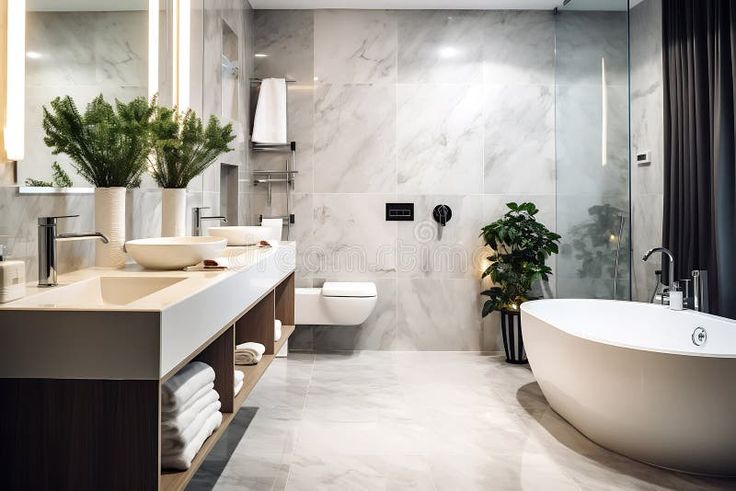
Remodeling your bathroom is an excellent chance to bring a fresh feel to your home. However, it’s easy to get carried away with tiles, custom vanities, and fancy fixtures.
These are the elements that make your bathroom beautiful. But the most crucial part of any project is behind the walls and under the floors. Proper waterproofing and plumbing upgrade will help build a strong foundation. They protect your home from expensive leaks, hidden mold, and structural damage.
Here are some tips to maximize your final renovation results. Understand the Importance of Plumbing and Waterproofing Before Renovating Your Bathroom.
1. Check your Existing Pipes Before You Start Remodeling
Before you buy new fixtures or plan a new bathroom layout, take a deeper look at your existing plumbing system. Loose connections, older pipes and drainage problems can easily be overlooked. If you want to move your toilet, shower or bathtub, your plumbing system might need to be modified to fit your new layout. Knowing these requirements early may help you avoid unnecessary changes during construction.
The plumbing system in place before your bathroom remodel is critical to your success in the process. Even though much of the piping is concealed behind the walls and floor tiles, the state of that piping has a direct effect on how well your bathroom operates. Old pipes can suffer from corrosion, mineral deposits, loose fittings, or even leaking.
Inspect the Condition of Your Existing Plumbing
Ask your contractor to examine the visible pipes, connections to water, and the drainage systems. With the help of an experienced plumber, you will be able to see if there are any problems with your piping system and what repairs will be needed. The plumber will also assess whether your pipes can accommodate all the changes that you wish to make in your bathroom.
Do not forget about checking the water pressure in the bathroom. All of the bathroom fixtures require a steady water supply for proper functioning, and you should take care of the possible problems with it beforehand.
Consider Your New Bathroom Layout
Your preferred layout in the bathroom may require alterations in the plumbing system. Changing locations of such features as toilets or showers usually requires changes in piping and connections.
Share your preferred locations of the fixtures with your contractor to allow the plumbing team make alterations. Coordination between your designer and plumber will save you from conflicts during installation.
Tip: Make sure that your contractor inspects the current condition of the pipes, water supply, and drainage before you approve the design. If any repair or replacement work is required, it is better to do it at the same time when the bathroom is being remodeled.
Keep the record of the plumbing alterations, such as locations of the pipes and their connection. It will be helpful for your future contractors.
2. Never Underestimate the Value of Waterproofing in Your Bathroom
Waterproofing might not be the most desirable part of your bathroom renovation, but it is one of the most important. Bathrooms are always exposed to moisture, particularly around showers, bathtubs and sinks. Water can seep through walls and floors without the right waterproofing and it might result in damaging the materials beneath the surface.
Although tiles and grout help create a finished appearance, they should not be treated as an overall substitute for a proper waterproofing system. A suitable waterproofing product should be installed beneath the finished surfaces according to the manufacturer’s instructions.
Understand Why Bathroom Waterproofing Matters
Bathroom exposure to water is going to affect the quality of construction materials because of the fact that the bathroom is going to be constantly exposed to water, moisture, and different temperature levels. This means that water will start seeping through cracks in your bathroom.
The water can collect underneath floor tiles and behind walls of the bathroom, which will damage concrete, screed, and other construction materials. There is also a possibility that moisture can lead to the growth of mold and mildew.
In case of water leakages in your bathroom, you may encounter the problem of affecting the adjacent rooms and even some parts of your home structure. Such issues usually need costly repairs.
Pay Attention to Critical Waterproofing Areas
There are certain bathroom locations that require special attention while installing waterproofing products. Such locations may include the floor of the shower room, corners of bathrooms, junctions of walls, edges of the bathtub, and drainage openings.
Before the installation of waterproofing products, the contractor needs to get these surfaces ready. It is essential to clean the surface from any dirt and contaminants which can affect the process of adhesion of the products.
Also, it is important to use appropriate materials for the particular application of the waterproofing.
Check the Waterproofing Before Installing Tiles
Don’t be too anxious about the waterproofing process, thinking that the faster it will be done, the sooner you will be able to finish the bathroom remodeling project. It is crucial that the waterproofing products will dry according to the instructions given by the manufacturer. What is more, it should be remembered that the contractor needs to do the proper waterproofing test before laying out the tiles.
Tip: Before your contractor tiles the bathroom floor, it is important to know how he/she plans to waterproof the area, including the way he/she will perform the testing. Every detail needs to be paid attention to, especially all the corners, joints, drains, and pipes.
You may also ask for pictures of the finished waterproofing process. Since this is going to be covered by the tiles, pictures are always helpful for future reference.
Remember, waterproofing does not only protect your bathroom surfaces but also the entire space.
3. Be careful with Bathroom shower drains
A good shower has to look nice and drain water well. If the shower floor does not drain well there may be standing water that makes the showering space less comfortable to use and also increases the risk that water will reach surrounding areas.
In terms of the design phase, make sure you have taken into consideration the drainage area, floor slope, and waterproofing. In cases where walk-in showers and big-sized tiles are to be installed, this becomes crucial. For contemporary style, a linear drain or tile insert drain cover could also be considered.
Plan the Drain Location Before Installing Tiles
The shower drainage process will affect the efficiency with which wastewater is discharged from the showering area. The lack of an efficient drainage process may lead to stagnant water, wet floors, and bad odor. Even more, it may mean that water spills out of the designated showering area.
It is important to plan the placement of the drain in the shower area considering the bathroom design. This is particularly essential when it comes to walk-in showers that have no raised walls.
The positioning of the drain should be considered prior to deciding on your floor design. The shower size, drainage needs, and positions of other fixtures should be taken into consideration.
Consider the Floor Slope and Tile Layout
The floor slope helps to channel water towards the shower drain. The floor slope will determine whether water flows in the right direction to the shower drain or not.
In terms of the type of tiles used for the installation process, large tiles give a modern look but require careful planning since they need to be arranged according to the floor slope.
Small tiles, on the other hand, are flexible and allow for any changes in the floor slope. Your contractor is supposed to advise you on how the tiles are to be arranged.
Choose a Drain That Matches Your Bathroom Design
Modern bathrooms provide different shower drain options. Point drains are designed for water draining from a central or strategic point of drainage. On the other hand, linear drains feature a long line of drainage channel and give an extra sleek look.
Another alternative to a shower drain today is the tile insert drain. This means the drain will be able to match with your tiles on the floor.
Nevertheless, do not make the aesthetics a sole consideration while choosing the drain. Ensure the drain helps with sufficient water drainage, works well with your waterproofing and is easy to clean.
Tip: You need to know where the location of your shower drain is before you start tiling. With careful planning, you can get a good looking tile drainage without any compromise to proper water drainage.
Finally, ensure that the contractor tests the drainage system for you before completing the installation. Water needs to run into the drain without causing any water puddling in the shower.
4. Budget for Plumbing and Waterproofing from the Very Beginning
When remodeling a bathroom, it is so easy to spend your budget on such things as fancy tiles and new fixtures. But don’t forget about budgeting for plumbing improvements, waterproofing and all installation costs.
Total cost depends on the size of the bathroom, state of plumbing and complexity of the entire renovation project. Simple bathroom remodel doesn’t require much plumbing work, but complete remodeling including moving fixtures or replacing pipes might involve more effort. And, of course, if you have limited budget, it’s better to spend it on necessary repairs and waterproofing first.
Include Essential Construction Costs in Your Budget
Budget preparation for any renovation does not simply involve the assessment of cost of materials alone. Tiles, vanities, showers, and lighting play a role in contributing to the total cost. However, plumbing work, waterproofing, improvement of drainage, and labor cost should be planned for financially as well.
Before starting construction, ask your contractor to provide a quote on everything. Obtain individual estimates for demolition, plumbing, waterproofing, materials, labor, and finishing works.
It enables you to know how the money is spent. This way, you can compare various materials.
Prepare for Unexpected Renovation Expenses
Problems might emerge once the contractors start with the demolition process. It is possible that they will realize the presence of leaking or damaged plumbing, surfaces with poor conditions, or failed waterproofing.
This might need extra materials and time in the construction process. Being prepared for such situations will allow you to take care of your money without sacrificing any construction process.
Prioritize Quality Over Decorative Upgrades
Choice of materials may have a huge impact on your renovation budget. You will find numerous choices available in case of bathroom tiles, waterproofing products, plumbing materials, and drains.
Do not go ahead and purchase the most expensive materials, but choose those which will be capable of performing their functions properly and suit your bathroom interior.
First of all, take care of plumbing, waterproofing, and drainage needs before buying bathroom accessories. It is better to upgrade your bathroom later, than face some expensive troubles because of improper construction.
And last but not least, consult with your contractor regarding any changes before giving the final approval. Ask him about the problem and how much it is going to cost you.
5. Choose the Right Contractor at Beverly Hills for Your Bathroom Remodel
The proper materials may be ruined because of incorrect installation. That is why it is very important to find the right contractor who is able to do everything correctly. A qualified team should understand and know about plumbing and waterproofing. Also, how drainage and tile installation should be done to get a good-looking and functional bathroom.
Good communication is necessary throughout the entire renovation process as well. This means that your contractor should clearly explain all phases of construction and the order in which they should be carried out. Also, your contractor should update the schedule and notify you of any problems that might arise.
Check the Contractor’s Experience and Previous Projects
The choice of a contractor is perhaps the most crucial aspect of bathroom renovation that one has to make. Even when the design and materials used are of high standards, one cannot be sure that the end product will be satisfactory without good workmanship.
It would help if you enquired whether the potential contractor had worked on other bathroom projects before and what kind of work they did, including changes on the plumbing, walk-in showers, waterproofing installations, and full bathroom renovations.
You may also ask for some samples of their past work through pictures to assess their workmanship.
Discuss the Construction Process and Project Schedule
The process of bathroom renovation includes different steps such as demolition, plumbing work, waterproofing, tiling and fixtures installation.
Your contractor needs to explain the right order in which these activities are supposed to take place. For instance, your contractor’s team needs to perform all the required plumbing modifications before enclosing walls or putting finishing touches on them. The same applies to waterproofing which has to be done before the tile installation.
Good communication will help all people to know what they have to do.
Review the Scope of Work and Warranty Details
Review the full extent of the work involved before you sign on any agreement. Ensure that the agreement contains details about materials, labor, cost of the project, construction schedule, and warranties.
Request from your contractor an explanation of the waterproofing products and the installation process they intend to employ. It is also important to know how they will check their completed work.
The choice of a reliable and competent local contractor may also be beneficial for homeowners living in Beverly Hills. Nevertheless, one should choose contractors not just for their proximity but according to experience, craftsmanship, communication skills, and reliability.
When remodeling a bathroom, people need to remember that this process is not limited to selecting appropriate tiles and fittings. Special attention needs to be paid to plumbing and waterproofing of the room.
It is expected of a good bathroom renovation project not only to produce a good looking end product but also to ensure a sound supply of water as well as drainage.
Regardless of whether it is a minor renovation or a full-scale renovation project, proper planning and skilled craftsmanship are what you need to ensure the success of the project. Understanding each step in the construction process will definitely help you avoid some future problems with the bathroom.
Thinking about upgrading your bathroom? Contact us today and let’s create a space that looks beautiful and works as it should.
